OpenClaw: More Than an AI Assistant — The "Self-Hosted" Revolution Reshaping the Future
When businesses take back control of their own AI
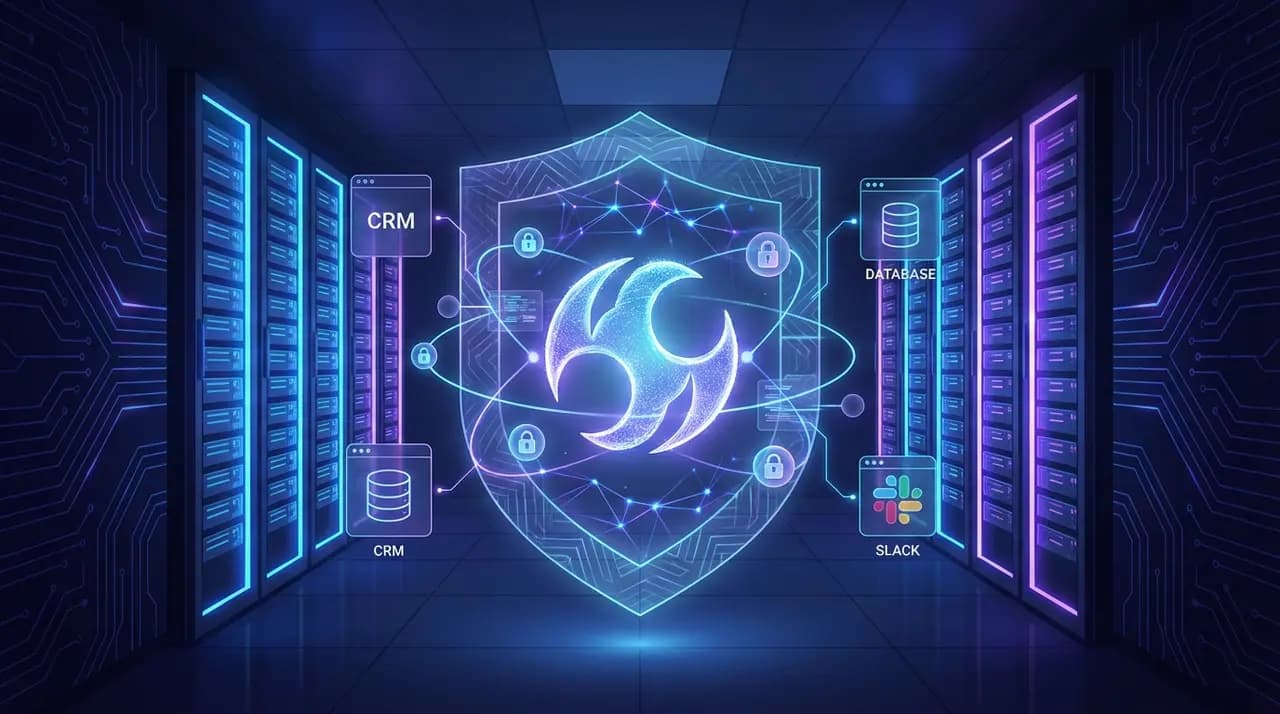
At a Glance
Discover OpenClaw — the open-source self-hosted AI platform, its 4-layer architecture, a head-to-head comparison with ChatGPT Enterprise, and Autonow's proven deployment roadmap.
OpenClaw isn't just another name in the AI space. It's the clearest signal yet of a quiet but powerful wave reshaping enterprise AI: the self-hosted AI revolution — where businesses no longer need to depend on OpenAI's, Microsoft's, or Google's black boxes to run their intelligence infrastructure.
In 2026, the question is no longer "What can AI do?" It's "Where is your AI running, and who controls your data?"
1. What Is OpenClaw — and Why Does It Matter?
OpenClaw is an open-source AI assistant platform designed for complete deployment on your own infrastructure — whether that's on-premises servers, a VPS, or a private cloud. No API keys phoning home to foreign servers. No customer data leaving your firewall.
But what makes OpenClaw truly remarkable isn't just "self-hosted." It's its plugin-first architecture that enables direct connections to:
- Internal databases (PostgreSQL, MySQL, MongoDB)
- CRM/ERP systems (Salesforce, SAP, HubSpot)
- Communication tools (Slack, Teams, internal email)
- Knowledge repositories (Confluence, Notion, SharePoint)
The result? An AI assistant that genuinely understands your business context — not a generic chatbot giving internet-sourced, one-size-fits-all answers.
"OpenClaw gives every employee a C-suite-level AI assistant — one that understands your company's actual context, not the internet's." — OpenClaw development team
2. The Big Picture: What's Wrong With Cloud AI Today
Millions of businesses use ChatGPT, Copilot, and Gemini daily. Most of them don't realize the hidden risks accumulating beneath the surface:
2.1 Data Risk & Regulatory Compliance
When employees paste client contracts, pricing strategies, or internal code into ChatGPT — that data flows through OpenAI's servers hosted abroad. Under GDPR (EU), data localization laws across Southeast Asia, or financial and healthcare regulations, this is extreme legal grey territory.
Samsung famously banned ChatGPT company-wide after employees accidentally shared proprietary source code. Hundreds of law firms, banks, and hospitals face the same exposure today.
2.2 Uncontrollable Costs
The "pay-per-use" model sounds economical — until you scale. With 100 employees using AI an average of 2 hours per day, API costs can climb to $8,000–$15,000/month with no hard spending ceiling.
2.3 Vendor Dependency — "AI Lock-in"
When OpenAI changes pricing, deprecates a model, or suffers downtime — your entire workflow freezes with it. In 2024, GPT-4's context window was suddenly reduced, breaking thousands of enterprise applications overnight — no warning, no migration window.
Comments (0)
Loading comments...
Stay Updated
Get weekly insights on AI, automation, and shipping fast. Join 500+ founders.
Related Articles
OpenClaw in 2026: The Open-Source AI Assistant That Actually Does Things
Deep dive into OpenClaw — the open-source AI assistant running on your machine. From VirusTotal security partnership to community-built skills, discover why developers say this lobster is changing everything.
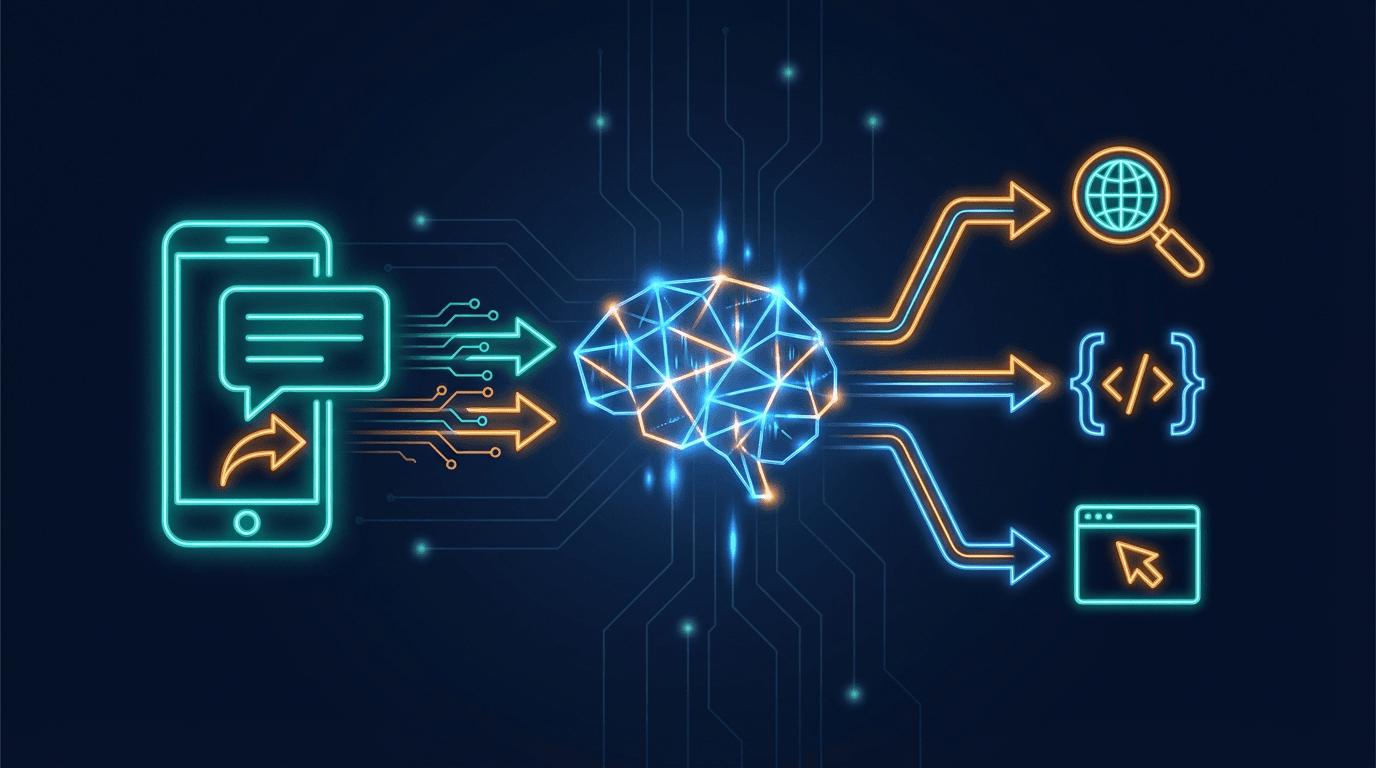
How OpenClaw Works: The Chatbot Message Flow Explained Simply
You send a message to a bot on Telegram. Seconds later it replies — sometimes after searching the web or running a script. What's actually happening behind the scenes? Here's the full OpenClaw flow, explained simply.
OpenClaw AI Gateway: 4 Authentication & Model Connection Methods
Overview of 4 ways to connect an LLM to OpenClaw: API Key, Proxy API, CLI Auth, and Local Model. Quick comparison table on cost, security, difficulty, and links to detailed guides for each method.