The AI Agent Era 2026: A Complete Analysis of OpenClaw, Zero Claw and the Agentic Infrastructure Ecosystem
Technical deep-dive: MCP, UCP, Hybrid Memory, and the runtime decision every serious Builder must make
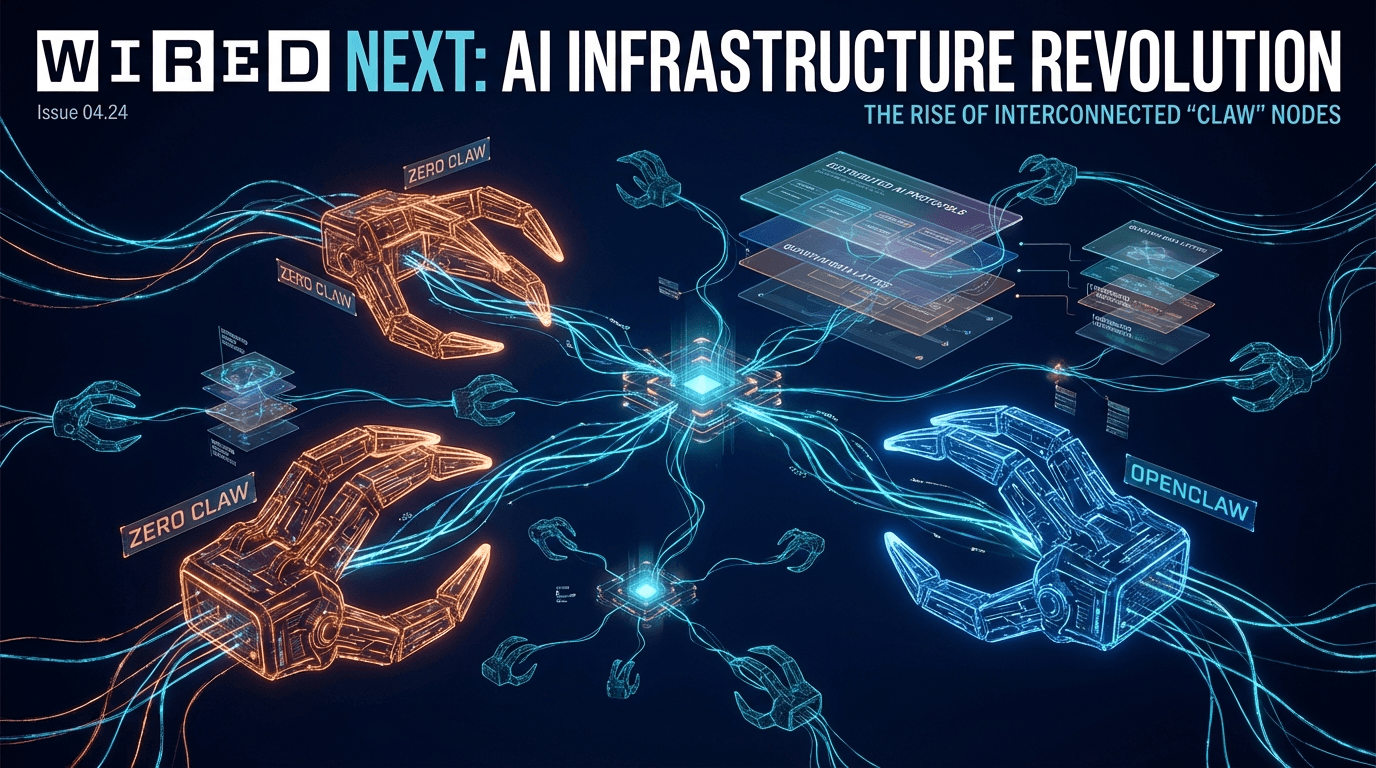
At a Glance
Complete technical analysis of the Agentic Infrastructure ecosystem 2026: OpenClaw (local-first personal AI OS), Zero Claw (Rust runtime for extreme performance), MCP, UCP, Hybrid Memory — with full comparison table and runtime selection guide for Builders.
The AI Agent Era 2026: OpenClaw, Zero Claw and Agentic Infrastructure
2026 marks an irreversible shift: from Chatbot to Execution Agent. Not AI answering questions — AI performing work on your behalf, with full context, tools, memory, and autonomous decision-making.
The old model: Input → LLM → Output. No memory, no execution, no agency. The new model: Goal → Planning → Tool Calls → Observation → Reflection → Next Step. This isn't a feature upgrade — it's a compute paradigm change, equivalent to the shift from batch processing to real-time computing.
OpenClaw: The Personal AI Operating System
OpenClaw is built on one radical premise: the most powerful AI knows the most about you — and that data should never leave your machine.
Local-first philosophy: your data, your machine, swappable models (Claude, Gemini, local — zero lock-in), privacy by design, not by policy. No third-party server ever sees your workspace.
The workspace is pure Markdown: human-readable, git-compatible, portable, model-agnostic. Soul defines the agent's personality — working style, tech stack, timezone. Memory runs in 3 layers:
- Working memory — current session context (RAG from workspace)
- Episodic memory — log of events, decisions, outcomes over time
- Semantic memory — distilled knowledge base from accumulated experience
Runtime: TypeScript/Node.js for broad npm ecosystem, official MCP SDK, fast prototyping. Trade-off: higher memory footprint and cold start vs Rust.
Zero Claw: The Rust Performance Revolution
Node.js fails for specific use cases: 200ms+ cold starts unacceptable for real-time agents, V8 GC creates unpredictable latency spikes, memory footprint too large when scaling to thousands of instances.
Zero Claw solves all of this with Rust:
- Cold start: 7ms — vs 247ms for Node.js, 35x faster
- Idle RAM: under 12MB — vs 60–120MB for Node.js
- Compile-time memory safety — no use-after-free, no data races, no buffer overflows
- Runs on Raspberry Pi Zero W, ESP32-S3, Cloudflare Workers, WASM
Four Core Technologies
MCP (Model Context Protocol): Not just "REST for AI" — an execution protocol with 3 primitives: Resources (readable data), Tools (executable functions with type-safe schemas), Prompts (reusable templates). Thousands of servers for GitHub, Slack, Notion, PostgreSQL, Stripe. The USB-C moment of AI.
Related Resources
Comments (0)
Loading comments...
Stay Updated
Get weekly insights on AI, automation, and shipping fast. Join 500+ founders.
Related Articles
OpenClaw in 2026: The Open-Source AI Assistant That Actually Does Things
Deep dive into OpenClaw — the open-source AI assistant running on your machine. From VirusTotal security partnership to community-built skills, discover why developers say this lobster is changing everything.
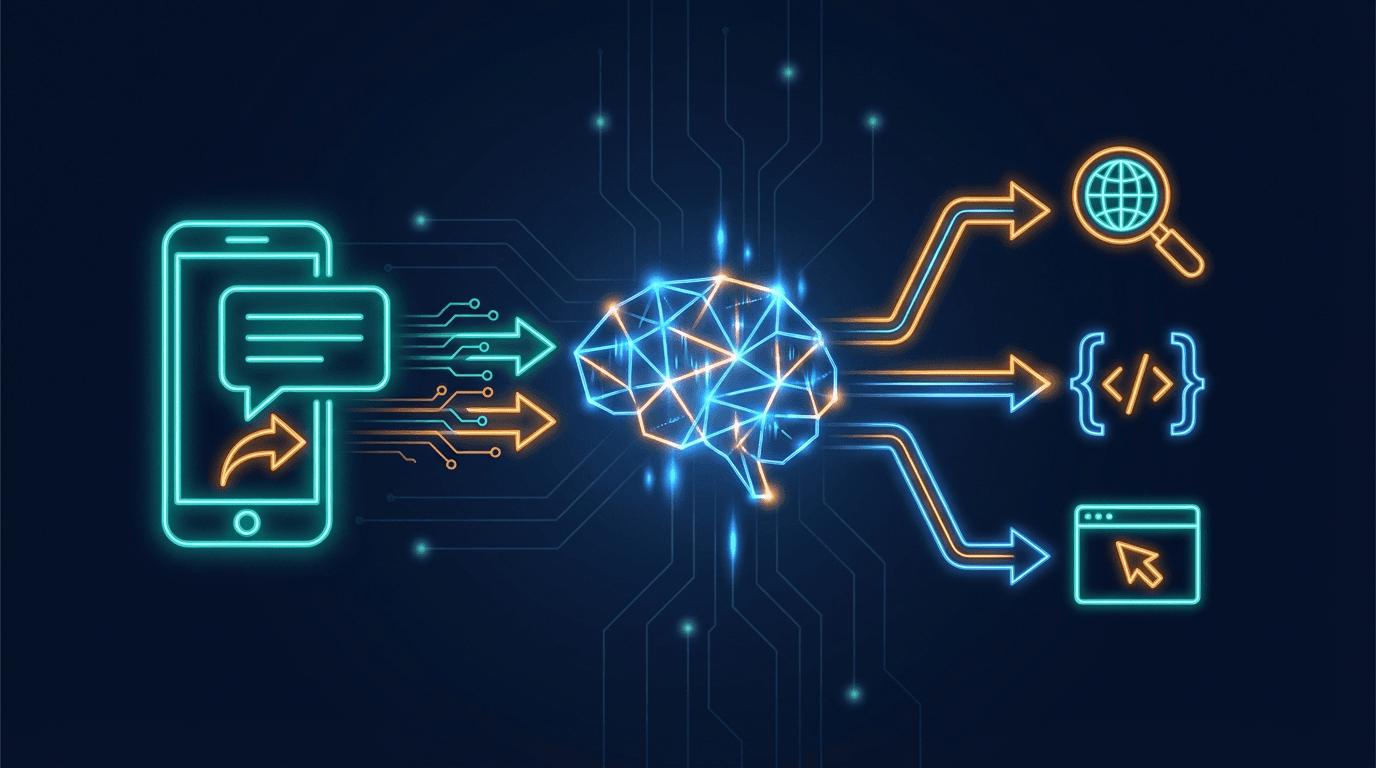
How OpenClaw Works: The Chatbot Message Flow Explained Simply
You send a message to a bot on Telegram. Seconds later it replies — sometimes after searching the web or running a script. What's actually happening behind the scenes? Here's the full OpenClaw flow, explained simply.
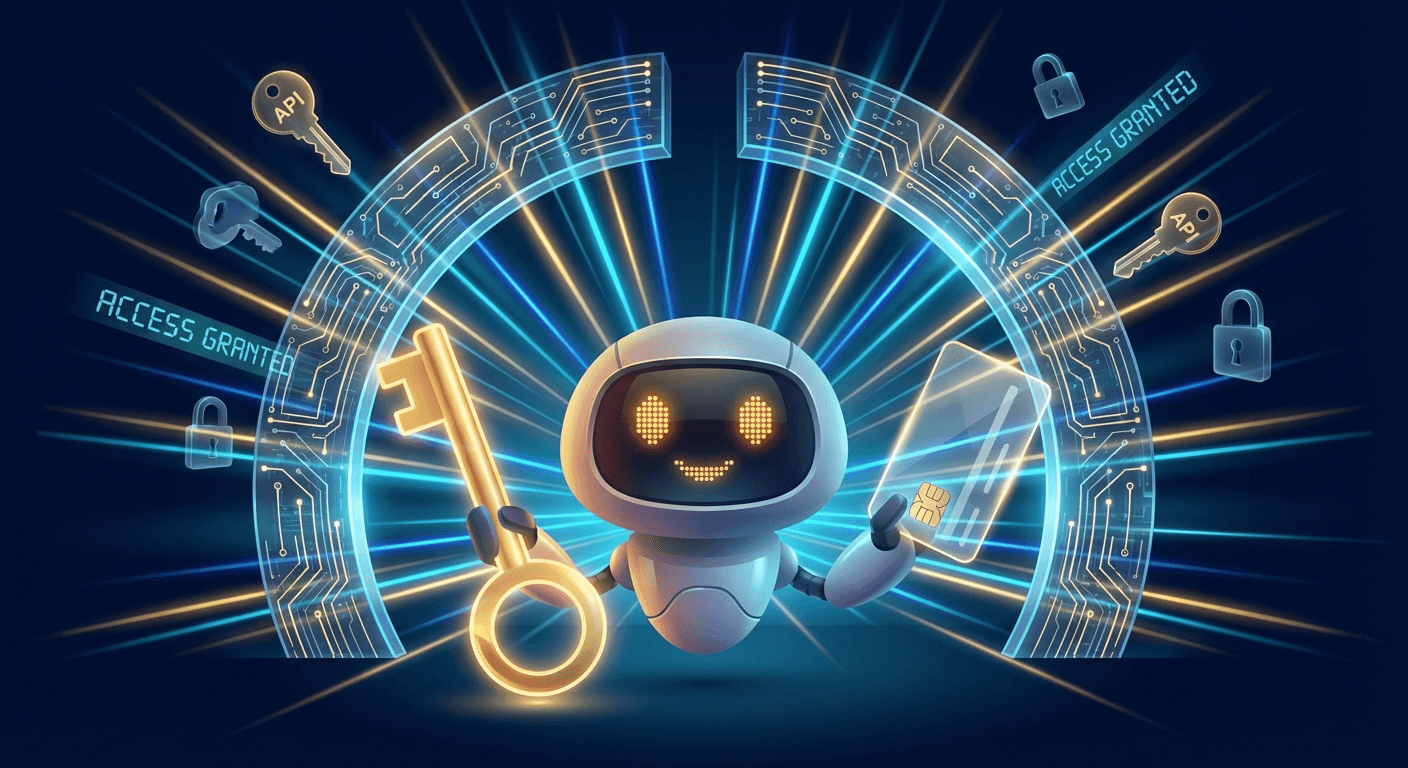
OpenClaw AI Gateway: 4 Authentication & Model Connection Methods
Overview of 4 ways to connect an LLM to OpenClaw: API Key, Proxy API, CLI Auth, and Local Model. Quick comparison table on cost, security, difficulty, and links to detailed guides for each method.