API Proxies & Aggregators: Use Premium AI at Optimal Cost
One connection point — every AI model. How smart builders use OpenRouter, Z.AI, LiteLLM, and Helicone to cut overhead and costs
At a Glance
The practical builder's guide to API proxies: connect Claude, GPT, Gemini, and Llama through a single endpoint, cut costs, bypass payment barriers, and monitor everything in one place.
The Multi-Account Problem Every AI Builder Knows
You're building an AI application. You need Claude for deep reasoning, GPT-4o for function calling, Gemini Flash for speed, and Llama to cut costs. The result: 4 separate accounts, 4 international payment methods, 4 different SDKs, and 4 dashboards to monitor.
That's the exact problem API Proxies and Aggregators were built to solve.
What is an API Proxy/Aggregator?
Imagine arriving in a country where every electrical outlet has a different plug type — Type A, Type C, Type G. Instead of carrying 5 separate adapters, you grab one universal adapter.
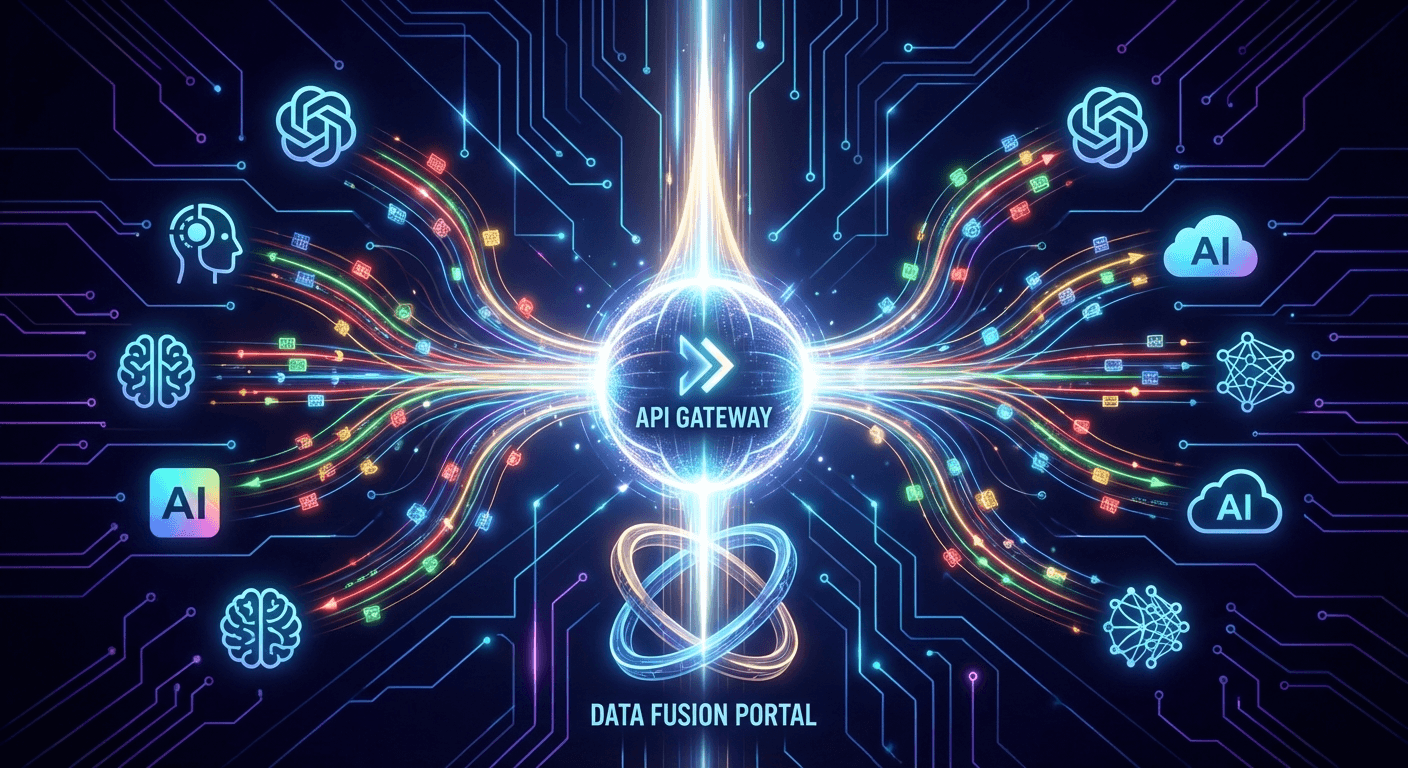
API proxies work exactly the same way. They sit between your application and AI providers:
Your App → [Proxy] → OpenAI / Anthropic / Google / Meta / DeepSeek
One endpoint. One API Key. Every model.
4 Reasons Smart Builders Use Proxies
1. Switch models with a single line of code
Instead of refactoring your entire codebase when moving from Claude to GPT, just change the model name:
# Claude Sonnet
model = "anthropic/claude-3.5-sonnet"

# GPT-4o
model = "openai/gpt-4o"

# Gemini Flash
model = "google/gemini-flash-1.5"

# DeepSeek V3
model = "deepseek/deepseek-chat"
The endpoint and request format stay identical — no other changes needed.
2. Meaningful cost savings
Aggregators like OpenRouter offer competitive pricing, sometimes below direct provider rates. Z.AI has Coding Plans at fixed monthly costs for certain premium models — ideal for high-volume builders who need predictable spend.
3. Bypass geographic and payment barriers
This is a real pain point for builders outside the US: cards getting rejected, regional model restrictions, incompatible billing setups. Regional or Asia-friendly proxies like Z.AI solve this at the source — one account, one familiar payment method, full model access.
4. Centralized analytics and monitoring
Instead of switching between 4 dashboards to track costs and performance, a good proxy shows you the full picture: which model costs the most, which endpoint is slowest, real-time latency trends. That's gold-tier data for production optimization.
Comments (0)
Loading comments...
Stay Updated
Get weekly insights on AI, automation, and shipping fast. Join 500+ founders.
Related Articles

API Proxy vs. Antigravity: The Legitimate Path and the Dangerous Shortcut
API proxies and Antigravity both promise cheaper AI — but the mechanics are completely different. One is an official reseller, the other borrows OAuth tokens in violation of ToS. In February 2026, Google acted. Here's the analysis you need before making a choice.

Mastering API Keys: Your Gateway to AI Power
API Keys are the bridge between your applications and AI power. This guide covers everything from how they work, to getting keys from OpenAI, Google Gemini, Anthropic Claude, and DeepSeek — and how to use them securely.

OpenClaw 2026: From Tech Breakthrough to Security Nightmare
February 2026: OpenClaw Foundation launches, ClawHavoc RCE explodes through ClawHub, Google Antigravity sweeps thousands of accounts. A comprehensive analysis of the events shaping the future of autonomous AI agents.